
|
For Inquiry:+91 9115999666 , 011-41785200
|
Food Courier Guide
How to Send Food Items from Delhi to the UK
Want to send snacks, sweets, spices, dry food, or homemade edible items to the UK? This guide explains what is usually allowed, how to pack food properly, which delivery option to choose, and how to avoid common courier delays.
This article helps you with
- Understanding which food items are commonly accepted
- Choosing economy or express shipping
- Packing food securely for international delivery
- Reducing customs and leakage risk
- Preparing a cleaner courier booking process
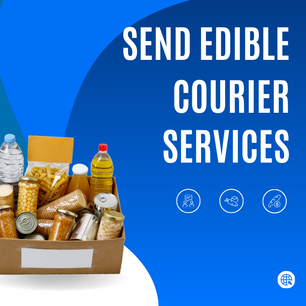
Sending food from India to the UK is very common, especially when families want to share homemade taste, packaged snacks, spices, sweets, and essential dry food items with loved ones abroad. But food courier shipments need more care than regular parcels because packing, shelf life, and item type all matter.
Food courier guide
UK delivery support
Packing tips
Commercial + user intent
Why People Send Food Items from Delhi to the UK
Food courier demand from Delhi to the UK is high because many Indian families, students, and working professionals want access to familiar food products that may not be easily available or may be expensive abroad. Dry snacks, namkeen, masalas, sweets, tea, coffee, and carefully packed homemade edible items are among the most common shipments.
Students often receive parcels with comfort food from home. Families send festive sweets during celebrations. Some customers also send regional food products that are difficult to find locally in the UK.
Family Deliveries
Home-style snacks, sweets, spices, and dry edible products sent to loved ones staying in the UK.
Student Support
Dry food items, ready-to-eat snacks, and useful kitchen basics sent to students living abroad.
Festival Parcels
Sweets and festive food packs shipped during Diwali, Rakhi, birthdays, and family occasions.
Personal Preference
Many customers simply prefer the taste of Indian brands and homemade food items from home.
What Food Items Are Commonly Allowed for Courier to the UK
While final acceptance depends on courier screening and customs rules, many dry and properly packed food items are commonly shipped through international courier services. The most important rule is that items should be stable, sealed, and suitable for transit.
Commonly Shipped Food Categories
- Dry snacks such as namkeen, bhujia, sev, khakhra, mathri, and roasted items
- Packaged sweets with reasonable shelf life and sealed packing
- Dry fruits, nuts, tea, coffee, and spice packets
- Branded food products in original sealed packaging
- Homemade dry food items with strong packing and proper labeling
- Ready-to-cook dry mixes that are not leakage-prone
Important: Food shipments should be dry, sealed, and packed in a way that reduces breakage, leakage, moisture, and contamination during transport.
What Food Items You Should Avoid Sending
Some food categories create higher risk during international shipping and may not be accepted or may face customs issues. These items are best avoided unless you have direct confirmation and proper compliance.
- Fresh fruits and vegetables
- Highly perishable cooked food
- Items with liquid leakage risk
- Products without labeling or unclear ingredients
- Items with strong odor that can affect other parcels
- Unsealed products that may spoil during transit
If you are unsure whether a particular item can be sent, it is always better to confirm with the courier team before packing the parcel.
How to Pack Food Items Properly for Courier Shipping
Good packing is one of the biggest reasons a food shipment reaches safely. Even acceptable food products can get delayed or damaged if the packaging is poor. A professional packing approach reduces both transit risk and customs inspection issues.
Best Packing Practices
- Use airtight inner packing: every edible item should be sealed properly.
- Use separate pouches for each item: avoid mixing loose products.
- Use leak-proof wrapping where needed: especially for semi-sensitive edible products.
- Add cushioning: bubble wrap or protective filler helps reduce crushing.
- Use a strong outer carton: the box should survive handling and stacking.
- Prepare a proper packing list: clearly mention the contents of the box.
Economy vs Express for Food Courier to the UK
Food courier customers often ask whether express delivery is necessary. The answer depends on what you are sending and how quickly the parcel needs to reach the recipient.
Economy Food Courier
Suitable for budget-conscious customers sending dry food items that are stable and well packed.
Express Food Courier
Better for faster delivery when the parcel is time-sensitive or when you want reduced transit time.
Economy Courier
- Usually more cost-effective
- Good for dry food and non-urgent shipments
- Transit can take around 7 to 15 working days
Express Courier
- Faster delivery in many cases
- Useful for priority shipments
- Transit can take around 3 to 6 working days
For most dry, stable food items, both economy and express can work well. The final choice depends on budget, urgency, and shipment size.
Estimated Food Courier Charges from Delhi to the UK
Food courier charges depend on weight, box dimensions, service type, and final destination in the UK. Heavier parcels often get a better per-kg rate compared with small shipments.
On many Delhi-to-UK courier plans, food shipping may follow a structure similar to:
- 1 kg shipment with separate economy and express pricing
- Additional per-kg pricing after the first slab
- Better rates for 5 kg, 10 kg, 21 kg, 50 kg, and higher shipments
To compare actual current rates, visit:
Delhi to UK Courier Charges
Documents and Details Usually Needed
A smooth courier booking starts with correct shipment details. Food courier usually requires basic sender documentation and a clear description of the contents.
Common Details Required
- Sender name, pickup address, and contact number
- Receiver name, UK delivery address, and contact details
- Approximate parcel weight and box size
- Packing list of food items inside the parcel
- Sender KYC such as Aadhaar and PAN copy where required
Clean and accurate declaration helps reduce confusion during booking and customs handling.
How to Reduce Delays in Food Courier Shipping
Delays often happen because of weak packaging, unclear item description, incomplete documentation, or unsuitable products. Customers can reduce delays by taking a few smart steps:
- Send only properly packed dry food items
- Use a detailed packing list
- Avoid leakage-prone or highly perishable items
- Choose the service type according to urgency
- Confirm doubtful items with the courier team before dispatch
Frequently Asked Questions
Yes, many dry and properly packed food items can be sent from Delhi to the UK through international courier, depending on courier acceptance and destination regulations.
Dry snacks, spices, tea, coffee, packaged sweets with suitable shelf life, nuts, and sealed branded food items are commonly shipped. Final suitability depends on product type and packing quality.
Each item should be sealed in airtight inner packaging, protected with cushioning, and packed in a strong outer carton. A clear packing list is also recommended.
Express delivery can take around 3 to 6 working days, while economy delivery may take around 7 to 15 working days depending on service type and customs clearance.
Economy courier is a practical choice for dry, stable, and properly packed food items when you want to save cost and the parcel is not extremely urgent.
Want the latest food courier rates from Delhi to the UK?
Check the main UK courier page for updated pricing, weight slabs, and service options for parcel, food, baggage, and express delivery.
 011-41785200
 +91-9115999666
 support@globalindiaexpress.com
Customer Support Timing: 10:30 AM to 7:00 PM, Mon to Sat